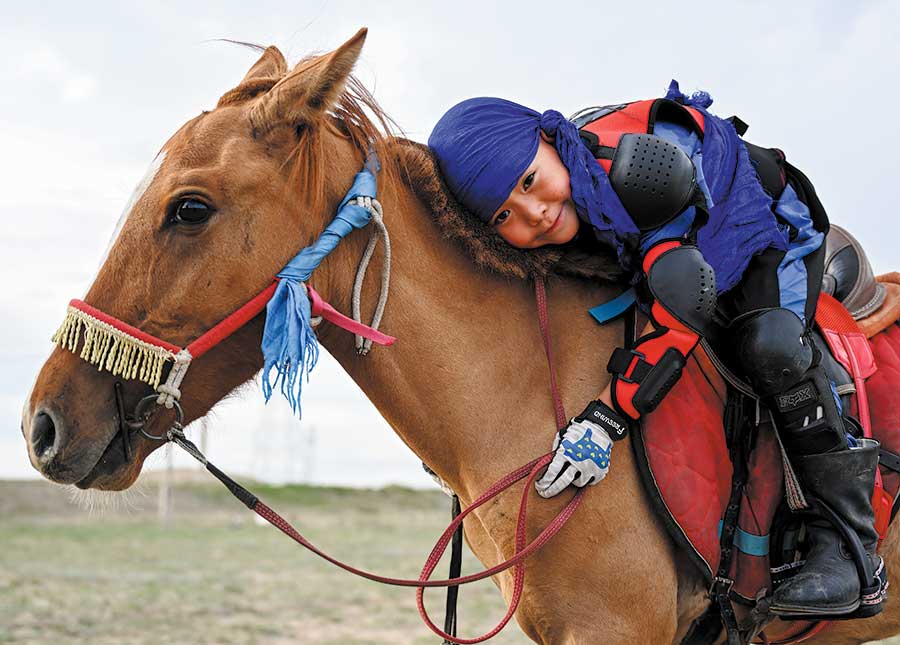
Mongolian Ethnic Group
Introduction
The Mongolian ethnic group, known for its rich cultural heritage and nomadic traditions, primarily resides in the regions of Mongolia, Inner Mongolia autonomous region in China, and parts of Russia. This ethnic group is distinguished by its unique blend of ancient customs, language, and arts, which have been preserved and adapted through centuries. The Mongolians are renowned for their connection to the vast steppes of Central Asia, where their ancestors once roamed as nomads. Today, they continue to celebrate their cultural identity through traditional music, dance, crafts, and festivals, making significant contributions to the cultural tapestry of the regions they inhabit.
History
Origins
The Mongolian ethnic group traces its origins back to the early nomadic tribes of Central Asia. The Mongolian ethnic group was originally a collection of tribes who lived in the steppes of what is now Mongolia and parts of northern China. Over time, these tribes unified under the leadership of Genghis Khan in the 13th century, forming the vast empire, which became one of the largest contiguous empires in history. This unification marked the beginning of their historical prominence and set the foundation for their cultural and political influence across Asia and Europe.
Historical Development
Following the establishment of the empire, the Mongolian ethnic group saw a significant expansion of their cultural and territorial influence. The empire facilitated trade and cultural exchange across the Silk Road, fostering connections between the East and West. However, after the death of Genghis Khan, the empire gradually fragmented into smaller khanates, each ruled by different descendants. Despite this political fragmentation, the Mongolian ethnic group maintained a strong cultural identity, preserving their language, traditions, and nomadic lifestyle. The rise of the Yuan Dynasty (1271-1368) in China, led by Kublai Khan, a descendant of Genghis Khan, further cemented the cultural legacy of the Mongolian ethnic group in Chinese history.
Culture
Traditional Customs
Traditional customs of the Mongolian ethnic group are deeply rooted in their nomadic heritage. These customs include the celebration of Naadam Festival, a festival featuring traditional sports such as horse racing, wrestling, and archery. The Mongolians also honor various spirits and deities, with fire being a significant symbol of life, power, and prosperity. Rituals and ceremonies, such as those conducted during weddings and festivals, often involve offerings and the performance of traditional music, highlighting the importance of community and ancestral connections in Mongolian culture.
Music and Dance
Music and dance are integral to the cultural expression of the Mongolian ethnic group. Traditional Mongolian music is characterized by the use of the morin khuur, a horse-headed fiddle, and khoomei, or throat singing, which produces harmonic overtones. These musical forms are often performed during important cultural events and ceremonies, serving as a means of storytelling and cultural preservation. Dance, particularly folk dance, is another vital aspect of Mongolian culture, with performances often depicting historical tales and the daily lives of nomadic herders.
Art and Crafts
Mongolian art and crafts reflect the ethnic group's deep connection to their natural environment and nomadic lifestyle. Traditional crafts include the making of felt goods, leatherwork, and the crafting of yurts, or gers, which are portable round tents used by nomads. The morin khuur, with its intricately carved horse's head, exemplifies the artistry and craftsmanship of the Mongolian people. These crafts are not only functional but also serve as cultural symbols, embodying the skills and traditions passed down through generations.
Society
Social Structure
The social structure of the Mongolian ethnic group has traditionally been organized around clans and tribes, with a strong emphasis on kinship and familial ties. Historically, Mongolian society was hierarchically structured, with a ruling elite of khans and nobility overseeing the nomadic herders and warriors. In contemporary times, while the traditional clan system has evolved, family and communal bonds remain central to Mongolian social life. The nomadic lifestyle, although less prevalent today, still influences social organization and cultural practices.
Festivals and Celebrations
Festivals and celebrations are vibrant expressions of Mongolian culture, with Naadam being the most prominent. Celebrated annually, Naadam showcases traditional sports and serves as a cultural gathering for Mongolian communities. Other important celebrations include Tsagaan Sar, the Mongolian New Year, which involves family gatherings, feasting, and rituals to honor ancestors and welcome the new year. These festivals reflect the Mongolian ethnic group's deep-rooted traditions and their commitment to preserving cultural heritage.
Contemporary Issues
Cultural preservation is a key concern for the Mongolian ethnic group, as modernization and globalization pose challenges to traditional practices and ways of life. Efforts to preserve language, music, dance, and crafts are ongoing, with initiatives such as cultural festivals, educational programs, and the promotion of intangible cultural heritage. The morin khuur, for example, has been inscribed on UNESCO's Representative List of the Intangible Cultural Heritage of Humanity, highlighting its cultural significance.








